Quick Answer
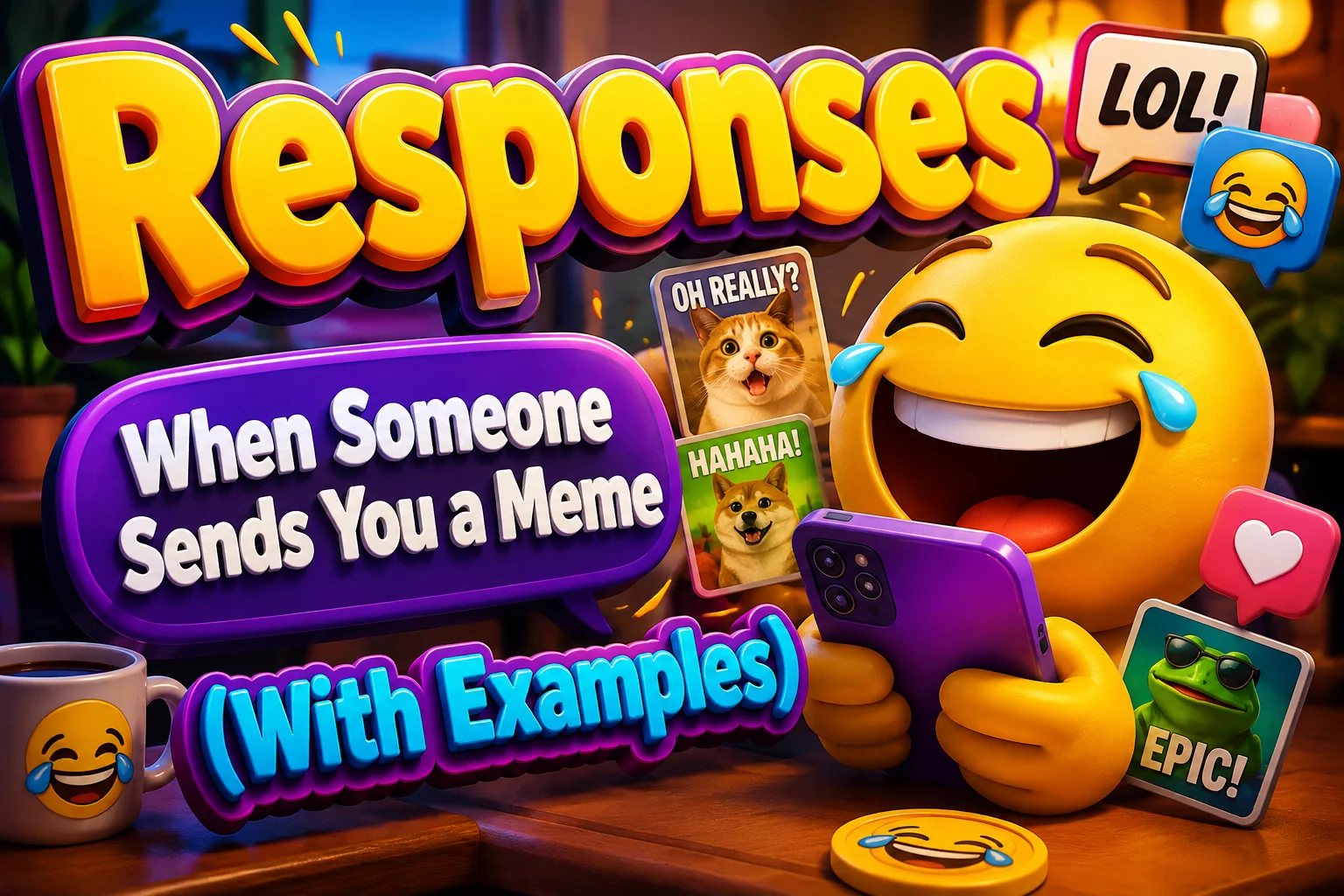
Responses When Someone Sends You a Meme can range from funny and playful to short and casual, depending on the meme and your relationship with the sender. You can reply with something like “LOL, this is too accurate!”, “You really thought of me when you saw this 😂”, or “Okay, this one actually got me!” Explore these easy, funny, and natural responses with examples for every situation.
25 Ways To Politely Ask Someone To Leave Your House (With Examples) helps you politely ask a guest to leave with respect.
Knowing the delicate art of choosing the right words can make a long visit, unexpected drop-in, or social gathering easier to manage. A friendly hint, subtle hints, or direct but courteous request can help you set boundaries while staying firm and respectful. When your guest feels respected, you can protect your own comfort and maintain healthy relationships. Mastering simple exit strategies and strong communication skills can reduce awkward moments, tension, and discomfort. These effective ways can signal that it is time to go and give guests a clear path out without making anyone feel unwelcome.
When guests arrive at your home, the visit can be enjoyable, but you may need your space back. A friend who has stayed longer than expected, a family member who is lingering, or a casual visit that has run its course may require you to handle the situation without unnecessary tension. Stay clear and confident, rather than leaving your guest unwelcome or embarrassed. A friendly hint, reasonable explanation, kind request, or practical phrases can communicate that it is time to wrap things up. Your relationship can remain strong when you show respect, clarity, and confidence. For family, a warm tone may work best, while a casual visitor may respond well to a simple explanation or request.
1. “Okay, This Is Actually Hilarious”
Sometimes a meme is simply too funny to deserve a complicated response. Saying, “Okay, this is actually hilarious,” lets the sender know that their meme genuinely made you laugh. It feels more natural than sending a generic laughing emoji because it shows that you actually reacted to what they shared. This response works especially well when the meme is clever, unexpected, or perfectly timed. It can also encourage the other person to send more memes because they know you enjoyed it. If you regularly exchange memes with someone, this simple reaction can become part of your normal texting style.
Meaning: You genuinely found the meme funny.
Tone: Friendly, enthusiastic, and natural.
Example: “Okay, this is actually hilarious. Where do you even find these?”
Best use: When the meme really makes you laugh.
2. “Why Is This So Accurate?”
A relatable meme deserves a relatable response. “Why is this so accurate?” is a great way to show that the meme describes something you’ve experienced yourself. It creates an instant connection because you’re not just laughing at the joke—you’re admitting that it hit close to home. This response is particularly useful for memes about work, relationships, procrastination, school, social situations, or everyday struggles. It can easily turn a meme exchange into a longer conversation because the sender may respond by sharing their own experience. It’s casual, expressive, and perfect for texting.
Meaning: The meme describes your situation surprisingly well.
Tone: Relatable, amused, and conversational.
Example: “Why is this so accurate? I literally did this yesterday.”
Best use: When a meme feels personally relatable.
3. “You Really Thought of Me When You Saw This?”
This response works well when the meme seems specifically connected to your personality, habits, or inside jokes. It has a playful quality that can make the conversation more personal. Depending on your relationship, it can sound genuinely curious or teasing. If a friend sends a meme about something you always do, this is a fun way to call them out without being rude. It also gives the sender an easy opportunity to explain why they shared it. The response works especially well between close friends who already understand each other’s humor.
Meaning: You noticed the meme reminds the sender of you.
Tone: Playful, teasing, and curious.
Example: “You really thought of me when you saw this? I’m offended 😂.”
Best use: When the meme clearly relates to you.
4. “I’m Not Even Going to Ask Why You Sent Me This”
Some memes are so random that asking for an explanation would make things even funnier. This response turns the randomness into part of the joke. It works particularly well when someone sends a strange, chaotic, or completely unexpected meme. Instead of questioning the context seriously, you play along with it. The phrase can also create a humorous back-and-forth because the sender may try to justify their choice. It’s a good option for friends who enjoy absurd humor and don’t take every conversation seriously.
Meaning: The meme is so random that you don’t need an explanation.
Tone: Sarcastic, amused, and playful.
Example: “I’m not even going to ask why you sent me this 😂.”
Best use: When the meme is bizarre or completely out of context.
5. “This Has No Business Being This Funny”
When a meme catches you off guard, this response feels energetic and genuine. It suggests that you didn’t expect to laugh as much as you did. That makes it especially effective for silly memes, clever wordplay, or jokes that are unexpectedly ridiculous. The phrase is popular because it sounds conversational rather than rehearsed. You can also personalize it by mentioning the specific part that made you laugh. This makes your response more engaging and shows the sender that you actually paid attention to the meme instead of simply reacting automatically.
Meaning: The meme is unexpectedly hilarious.
Tone: Excited, amused, and casual.
Example: “This has no business being this funny. I actually laughed out loud.”
Best use: When a meme unexpectedly makes you laugh.
6. “I Needed This Laugh Today”
Not every meme needs a clever comeback. Sometimes the best response is honest appreciation. “I needed this laugh today” tells the sender that their message genuinely improved your mood. It can make the exchange feel warmer and more meaningful without becoming overly serious. This response is especially appropriate when you’ve had a stressful day or when someone sends you something funny at exactly the right moment. It also shows that you appreciate the person for thinking of you, which can strengthen a friendly conversation.
Meaning: Their meme improved your mood.
Tone: Warm, appreciative, and genuine.
Example: “I needed this laugh today. Thank you for sending it 😂.”
Best use: When the meme genuinely cheers you up.
7. “Okay, You Got Me”
A short response can sometimes be the funniest one. “Okay, you got me” works when the meme catches you off guard or proves a point. It can also be used when someone sends a meme that lightly teases you. The phrase communicates that you’re accepting the joke rather than becoming defensive. Because it’s brief, it works naturally in text messages, Instagram DMs, group chats, and other casual conversations. You can add a laughing emoji if you want the response to sound even more playful.
Meaning: You admit that the joke worked.
Tone: Lighthearted, confident, and playful.
Example: “Okay, you got me. That one was actually good 😂.”
Best use: When the sender successfully makes fun of you.
8. “I Feel Personally Attacked”
This is a classic playful response when a meme describes one of your habits a little too accurately. Rather than becoming defensive, you exaggerate your reaction for comedic effect. The phrase works particularly well with memes about procrastination, laziness, spending money, relationships, or embarrassing habits. It creates humor because you’re pretending that a harmless meme has seriously offended you. With the right relationship, it can lead to playful teasing and a longer conversation.
Meaning: The meme describes you so accurately that you’re jokingly offended.
Tone: Dramatic, funny, and sarcastic.
Example: “I feel personally attacked by this meme. Please delete it immediately.”
Best use: When the meme exposes one of your habits.
9. “Where Do You Find These?”
If you want to keep the conversation moving, ask about the meme instead of simply reacting to it. “Where do you find these?” is an easy conversation starter that invites the sender to respond. They might tell you where they found it, send another meme, or explain why they thought you’d like it. This makes the response useful when you want more interaction rather than ending the conversation with a laugh. It’s friendly, simple, and works with almost any type of meme.
Meaning: You’re interested in the source or type of content they share.
Tone: Curious, friendly, and conversational.
Example: “Where do you find these? Your meme collection is getting suspiciously good.”
Best use: When you want to continue the chat.
10. “You Knew Exactly What You Were Doing”
This response adds a little playful suspicion to the conversation. It works especially well when the sender deliberately sends a meme designed to tease you, make you laugh, or remind you of an inside joke. Rather than simply saying that you enjoyed it, you acknowledge the sender’s intention. The phrase can be funny because it makes their harmless meme sound like part of a carefully planned operation. It’s perfect for close friends and people who already share a playful sense of humor.
Meaning: You believe the sender intentionally chose the meme to get a reaction.
Tone: Teasing, confident, and playful.
Example: “You knew exactly what you were doing when you sent me this 😂.”
Best use: When the meme is clearly aimed at you.
11. “Not Me Laughing at This”
Sometimes you want to pretend that you didn’t find something funny even though you clearly did. “Not me laughing at this” creates that playful contradiction. It’s particularly useful for memes that are silly, embarrassing, or slightly ridiculous. The response sounds casual and works naturally in social media messages. You can make it more personal by explaining what part made you laugh. That extra detail can help transform a quick reaction into a more engaging conversation.
Meaning: You’re admitting that the meme made you laugh.
Tone: Playful, casual, and slightly dramatic.
Example: “Not me laughing at this when I promised myself I’d be productive today.”
Best use: When you want a casual funny reaction.
12. “I’m Sending This to Someone Else”
This response can be funny when a meme is too good not to share. It communicates that you enjoyed the meme while joking that it deserves a larger audience. You can use it with a friend who frequently sends entertaining content. It also creates a small compliment because you’re effectively saying their meme is worth passing along. If you actually plan to share it, the response becomes even more natural.
Meaning: The meme is good enough to share with someone else.
Tone: Funny, casual, and appreciative.
Example: “I’m sending this to someone else because they need to suffer through this too 😂.”
Best use: When the meme is highly shareable.
13. “This Is So You”
When a meme perfectly matches someone’s personality, “This is so you” can be an amusing response. However, you can also reverse it and use the phrase when someone sends you a meme that reminds you of them. It works because it makes the exchange more personal. Instead of commenting only on the meme itself, you’re connecting it to the sender. That can make the conversation warmer and encourage them to explain why they relate to the meme.
Meaning: The meme strongly reminds you of the person.
Tone: Friendly, personal, and teasing.
Example: “This is so you. I knew you’d eventually send me something like this.”
Best use: When the meme matches someone’s personality.
Also Read This: 25 Ways To Politely Ask Someone To Leave Your House (With Examples)
14. “I’m Choosing to Ignore How Relatable This Is”
This is a good response when a meme accurately describes something you’d rather not admit. It combines humor with mild self-awareness. The phrase works particularly well for memes about bad habits, procrastination, awkward behavior, or everyday struggles. By joking that you’re “choosing to ignore” the truth, you turn the uncomfortable accuracy into part of the joke. It’s also an easy way to show that you understood the meme without writing a long explanation.
Meaning: The meme is relatable, but you’d rather not admit it.
Tone: Self-deprecating, funny, and casual.
Example: “I’m choosing to ignore how relatable this is and move on with my life.”
Best use: When the meme hits an uncomfortable truth.
15. “You’re Lucky I Found This Funny”
This response works when you want to tease the sender after they send a questionable meme. It suggests that the meme barely survived your judgment, which creates a humorous sense of exaggeration. The phrase is best used with people who understand sarcasm and won’t interpret it literally. You can make it even funnier by adding a laughing emoji or immediately sending a meme back. It turns the exchange into friendly competition.
Meaning: You’re jokingly pretending that the meme almost failed.
Tone: Sarcastic, confident, and playful.
Example: “You’re lucky I found this funny. I was about to revoke your meme privileges.”
Best use: When teasing a friend about their meme choices.
16. “That’s Going Straight Into My Meme Collection”
A great meme can become part of your personal collection. This response shows appreciation while keeping things casual. It’s especially suitable when the meme is clever, extremely relatable, or something you know you’ll want to revisit later. It also compliments the sender indirectly because they found content worth saving. If you regularly exchange memes with someone, this can become a fun way of acknowledging their best submissions.
Meaning: You liked the meme enough to save it.
Tone: Appreciative, humorous, and casual.
Example: “That’s going straight into my meme collection. This one is too good.”
Best use: When you genuinely want to save the meme.
17. “I Was Having a Normal Day Until This”
This exaggerated response makes the meme sound like a major event. It works well when the content is unexpectedly funny, strange, or chaotic. The humor comes from pretending that a simple meme completely changed the course of your day. It’s a good option when you want something more expressive than “LOL” without writing a long message. You can also use it when the meme creates a funny realization or reminds you of an embarrassing situation.
Meaning: The meme unexpectedly changed your mood or thoughts.
Tone: Dramatic, funny, and exaggerated.
Example: “I was having a normal day until you sent me this. Now I can’t stop laughing.”
Best use: When a meme completely catches you off guard.
18. “Okay, Send Me More”
Sometimes the clearest response is also the most useful. If you enjoy the person’s memes, tell them directly. “Okay, send me more” signals that you’re enjoying the conversation and are open to seeing similar content. It can encourage an ongoing meme exchange, especially between friends who regularly communicate through humor. The phrase is short enough for texting but still shows genuine enthusiasm. You can add a specific request if you want a particular type of meme.
Meaning: You enjoyed the meme and want more.
Tone: Enthusiastic, friendly, and direct.
Example: “Okay, send me more. Apparently this is exactly the content I need today.”
Best use: When you want the meme exchange to continue.
19. “I Can’t Decide Whether to Laugh or Be Concerned”
Some memes are funny because they’re completely chaotic. This response captures that mixed reaction perfectly. It works when you find something amusing but also slightly questionable, weird, or unexpected. The phrase creates a playful contrast between laughter and concern without making the conversation too serious. It’s especially effective when a friend has a habit of sending bizarre content.
Meaning: The meme is funny but also strangely concerning.
Tone: Sarcastic, amused, and slightly dramatic.
Example: “I can’t decide whether to laugh or be concerned about your sense of humor.”
Best use: When the meme is funny but questionable.
20. “That Meme Knows Too Much About Me”
This response is perfect for extremely relatable memes. It personifies the meme as though it somehow knows your private habits or thoughts. That exaggeration makes the reaction funnier than simply saying “same.” It can work for memes about everyday routines, social anxiety, procrastination, food, work, relationships, or other common experiences. The response also gives the sender room to tease you because they may agree that the meme describes you perfectly.
Meaning: The meme accurately describes your behavior or thoughts.
Tone: Funny, relatable, and dramatic.
Example: “That meme knows too much about me. Who gave it access to my life?”
Best use: When a meme is almost unbelievably accurate.
21. “I’m Stealing This”
When a meme is too good not to reuse, “I’m stealing this” is a simple and humorous reaction. In casual conversations, it usually means you want to save or share the meme, not literally take something without permission. You can make the response more playful by pretending to ask permission after announcing your decision. This works particularly well between friends who frequently exchange funny posts and screenshots.
Meaning: You like the meme enough to save or share it.
Tone: Playful, casual, and appreciative.
Example: “I’m stealing this. You can’t expect me to see gold like this and leave it here.”
Best use: When you want to save or repost the meme.
22. “You’ve Earned a Reply With a Meme”
Turn the exchange into a friendly meme battle by responding with another meme. This phrase tells the sender that their meme was good enough to deserve a return. It works particularly well when both people enjoy communicating through humor. You can send the response first and then attach your meme, creating a natural back-and-forth. Over time, this can become a fun conversational habit and an easy way to stay connected.
Meaning: You’re going to answer their meme with another meme.
Tone: Competitive, playful, and friendly.
Example: “You’ve earned a reply with a meme. Prepare yourself.”
Best use: When you want to start a meme exchange.
23. “I’m Pretending I Didn’t Relate to This”
This response combines humor and self-awareness. It’s ideal when a meme reveals a habit you don’t necessarily want to admit. Instead of directly saying “that’s me,” you jokingly deny the connection. The contradiction makes the response entertaining and gives the sender an opening to tease you. It’s especially effective between close friends who already know each other’s habits.
Meaning: You relate to the meme but are jokingly denying it.
Tone: Self-deprecating, playful, and humorous.
Example: “I’m pretending I didn’t relate to this because I have a reputation to protect.”
Best use: When the meme exposes one of your habits.
24. “You Just Made My Day”
A meme can sometimes arrive at exactly the right moment. “You just made my day” is a warm response that shows genuine appreciation. Unlike a purely funny comeback, this tells the sender that their effort had a positive effect on you. It’s useful with friends, coworkers, family members, or anyone you’re comfortable with. If you want to keep the conversation going, you can explain why the meme was especially funny or well-timed.
Meaning: Their meme significantly improved your mood.
Tone: Warm, positive, and sincere.
Example: “You just made my day. I needed that laugh more than you know.”
Best use: When the meme genuinely brightens your day.
25. “Okay, That Wins the Internet Today”
Use this when someone sends a meme that you consider exceptionally good. It’s an exaggerated compliment that makes the reaction feel more enthusiastic. Rather than simply saying that the meme is funny, you jokingly declare it the winner of the internet for the day. This works well for clever, unexpected, or perfectly timed memes. It’s also a nice way to end the list of reactions because it gives the sender a strong compliment without sounding overly formal.
Meaning: You think the meme is exceptionally funny or clever.
Tone: Enthusiastic, humorous, and complimentary.
Example: “Okay, that wins the internet today. I’m officially impressed.”
Best use: When someone sends an outstanding meme.
FAQs
What is the best response when someone sends you a meme?
The best response depends on the meme and your relationship with the sender. For a funny meme, try “This has no business being this funny.” For a relatable meme, “Why is this so accurate?” works well. If you want to continue the conversation, ask where they found it or send a meme back.
How do you reply to a meme without saying LOL?
You can respond with something more specific, such as “Okay, you got me,” “I feel personally attacked,” “That’s going straight into my meme collection,” or “You really thought of me when you saw this?” Specific reactions usually feel more natural and engaging than a generic “LOL.”
How do you respond to a meme from a friend?
With a friend, you can be more playful and sarcastic. Try responses such as “You knew exactly what you were doing,” “I’m not even going to ask why you sent me this,” or “You’ve earned a reply with a meme.” Match the response to your usual sense of humor.
What should I say when a meme is very relatable?
A relatable meme gives you an opportunity to acknowledge the connection. You can say “Why is this so accurate?”, “That meme knows too much about me,” or “I’m choosing to ignore how relatable this is.” These responses show that you understood the joke while adding personality.
How can I keep a meme conversation going?
Instead of ending the exchange with a laughing emoji, ask a question or respond with another meme. For example, say “Where do you find these?”, “Okay, send me more,” or “You’ve earned a reply with a meme.” This encourages the sender to continue interacting with you.
Conclusion:
A meme can be a simple joke, but your response can turn it into a real conversation. The best meme responses match the humor, relationship, and situation rather than relying on the same “LOL” every time. You can be sarcastic, relatable, enthusiastic, playful, or genuinely appreciative.
Whether you want to make your friend laugh, continue a text conversation, tease someone, or simply show that you enjoyed what they sent, these 25 Responses When Someone Sends You a Meme (With Examples) give you plenty of natural options. The key is to respond to the actual meme and let your personality come through.